

Claude Opus 4.6, Anthropic’s latest flagship model, is now generally available inside GitHub Copilot, as announced in a new GitHub changelog post on February 5, 2026. This rollout marks one of the biggest upgrades yet for Copilot users who rely on AI for complex, multi-step coding tasks and agentic workflows.
What’s new: Claude Opus 4.6 lands in GitHub Copilot
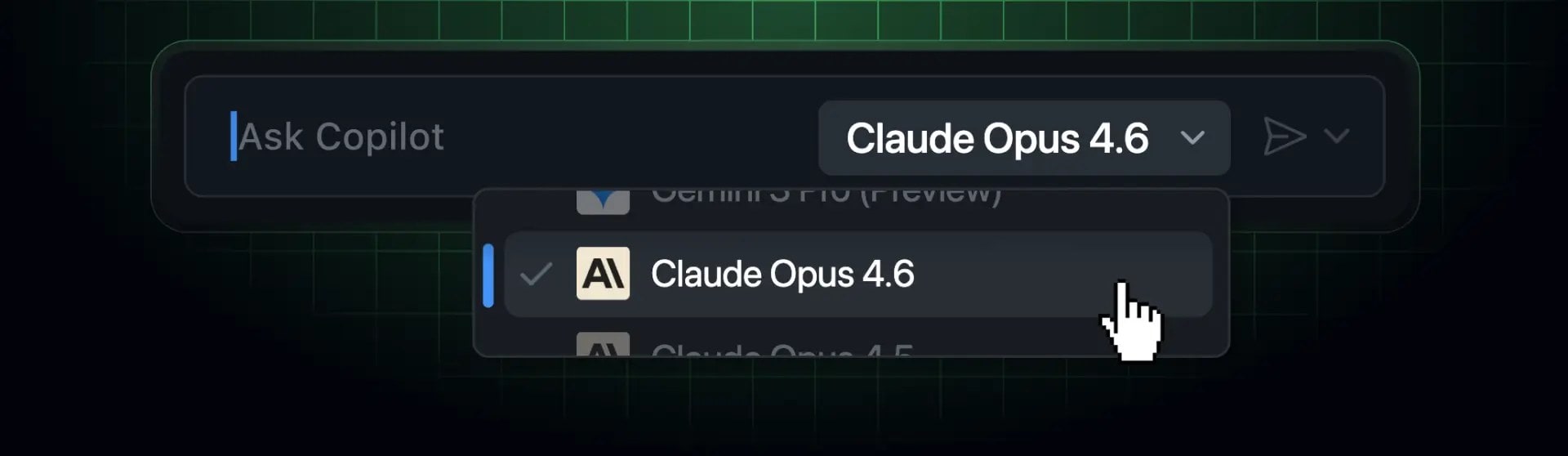 GitHub is rolling out Claude Opus 4.6 across its Copilot ecosystem, bringing Anthropic’s newest model directly into the tools developers already use every day. In early testing, Opus 4.6 has shown strong performance in agentic coding scenarios, especially for hard problems that require step-by-step planning and reliable tool calling. That means it is designed not just to autocomplete snippets, but to orchestrate and execute longer coding workflows with less hand-holding from the developer.
Opus 4.6 is positioned as Anthropic’s most capable model to date, with hybrid reasoning that can switch between fast responses and deeper, extended thinking depending on the task. For professional software engineers and teams working in large, real-world codebases, that combination of long-horizon reasoning, code review, and debugging skills is aimed at making AI feel more like a senior collaborator than a simple suggestion engine.
Where you can use Claude Opus 4.6 in Copilot

GitHub is making Claude Opus 4.6 available across a wide range of Copilot entry points, so you can pick it from the model selector wherever you already use Copilot today. Once the rollout hits your account, you’ll be able to choose Opus 4.6 in:
-
Visual Studio Code in all modes: chat, ask, edit, and agent.
-
Visual Studio in agent and ask modes.
-
GitHub.com experiences that support Copilot chat.
-
GitHub Mobile on iOS and Android.
-
GitHub CLI for terminal-focused workflows.
-
The GitHub Copilot coding agent (for Copilot Pro and Pro+ users only).
The rollout is gradual, so you may not see Claude Opus 4.6 in your model picker immediately. If it is not visible yet, GitHub recommends checking back later as the feature propagates across regions and account types.
Who gets access: plans and policies
Claude Opus 4.6 is targeted squarely at paid Copilot customers who need premium, high-end reasoning for complex work. According to GitHub, the model will be available to the following customers:
-
Copilot Pro
-
Copilot Pro+
-
Copilot Business
-
Copilot Enterprise
Free Copilot tiers are not included in this rollout, which aligns with how other premium models are handled in the broader Copilot model catalog.
For organizations, there is one important admin step: Copilot Enterprise and Copilot Business administrators must explicitly enable the Claude Opus 4.6 policy in their Copilot settings before users can select the model. Until that policy is turned on, developers in those orgs won’t see Opus 4.6 in the model picker, even if the feature is otherwise live for their tenant.
If you want to compare Claude Opus 4.6 against other available models—like GPT-5, Gemini, or the earlier Claude Opus and Sonnet releases—GitHub maintains documentation that outlines which models are supported, how they’re scoped to different clients, and how pricing multipliers apply across plans. This documentation is the best place to see how Opus 4.6 fits into the wider Copilot model lineup as GitHub updates it over time.
Why developers care about Opus 4.6 in Copilot

Anthropic is positioning Claude Opus 4.6 as a direct upgrade over prior Opus versions, with particular emphasis on complex software engineering and high-stakes enterprise workloads. The model is designed to:
-
Plan more carefully and sustain longer agentic tasks, so it can carry multi-step coding jobs from start to finish with fewer interruptions.
-
Operate more reliably inside large codebases, where understanding multiple files, layers, and dependencies is crucial.
-
Provide stronger code review and debugging, catching more of its own mistakes and reducing the clean-up burden on human reviewers.
Anthropic also highlights a massive context window—on the order of 1 million tokens in beta—for Opus 4.6, allowing it to reason over very large projects or long-running conversations without losing track of earlier details. When this type of capability is wired directly into Copilot, it opens the door to workflows where developers can hand off entire subsystems, refactors, or test suites to an AI agent and have it reason across the whole picture.
For GitHub and Microsoft’s ecosystem, bringing Claude Opus 4.6 into Copilot is another step in a broader strategy: giving users a choice of frontier models from different providers and letting them pick the best tool for each job. With support for models from OpenAI, Anthropic, Google, and others, Copilot increasingly looks like a model-agnostic orchestration layer that can route complex coding work to whichever engine performs best.
Getting started and sharing feedback

If you are on Copilot Pro, Pro+, Business, or Enterprise, the first step is to open your usual Copilot experience—such as VS Code or GitHub.com—and check the model picker for Claude Opus 4.6. If you are in a business or enterprise environment and don’t see it, confirm with your administrator that the Claude Opus 4.6 policy is enabled in your Copilot settings.
GitHub is encouraging early adopters to explore all available models and use its Copilot documentation to understand where each model shines. The company is also directing users to the GitHub Community’s Copilot conversations area, where developers can post feedback, report issues, and share real-world experiences with Claude Opus 4.6 inside Copilot. Given how fast the AI coding landscape is moving—with fresh releases from Anthropic, OpenAI, and others—this feedback loop will help shape how GitHub tunes default model choices and future Copilot features.
For developers already relying on Copilot as an everyday partner, the arrival of Claude Opus 4.6 adds another powerful option to the toolbox—and raises expectations for what an AI coding agent should be able to handle inside the GitHub and Microsoft developer stack.
Recent Posts You Might Like
- Next Week on Xbox (February 9–13): High On Life 2, Yakuza Kiwami 3, Relooted, and More Headline A Spectacular Gaming Lineup
- Xbox Free Play Days: 2K Takeover 2026 Brings NBA 2K26, Civilization VI, and More to Game Pass Members
- Satya Nadella marks return of Hayete Gallot with a Microsoft security reshuffle and return to quality leadership
- 4 Crunching Koalas Indie Favorites Get Xbox Play Anywhere Support and Deep Discounts in the Indie Selects Anniversary Sale
- High on Life 2, Madden NFL 26, Avatar: Frontiers of Pandora, and More Headline February’s Xbox Game Pass Drop
Discover more from Microsoft News Now
Subscribe to get the latest posts sent to your email.
