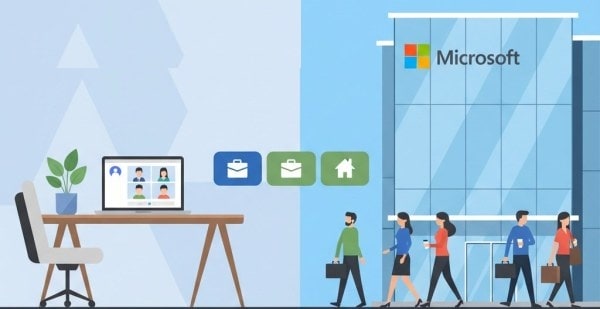

Microsoft’s long‑signaled shift back toward in‑person work is about to get very real for thousands of employees in the Puget Sound region by the end of February 2026. Under an updated “flexible work” policy, staff who live within 50 miles of a Microsoft office in the area will be expected to return to office and work onsite three days a week, marking one of the company’s biggest cultural pivots since its pandemic‑era embrace of remote and hybrid work. Microsoft frames the change as an evolution—not a rollback—of flexibility, arguing that more consistent in‑person time is key to collaboration in an AI‑driven era.
What Microsoft’s return to office policy actually says

In a flexible work update on the Official Microsoft Blog, Executive Vice President and Chief People Officer Amy Coleman laid out the core of the new mandate for Puget Sound employees. If you live within 50 miles of a Microsoft office in the region, you will be expected to be onsite three days per week by the end of February 2026, with personalized emails going out to affected staff explaining how the policy applies to their team. Employees can request exceptions to the requirement, but those must be submitted by a set deadline called out in internal communications.
The company is rolling this out in three phases: first Puget Sound (including Redmond and surrounding campuses), then other U.S. locations, and finally international sites. For now, only the Puget Sound timeline is locked to the end of February 2026, with Microsoft saying that details for additional U.S. and global offices will come later. It’s a clear signal that headquarters will be the testing ground for how this new “three days in, two days flexible” rhythm works in practice.
Why Microsoft says it wants people back together

Coleman’s messaging leans heavily on the idea that in‑person collaboration drives better outcomes, especially as Microsoft bets big on AI, Copilot, and cloud‑powered experiences. She argues that the “most meaningful breakthroughs happen when we build on each other’s ideas together, in real time,” and that teams are more energized, empowered, and effective when they share physical space more often. Microsoft positions this as a data‑backed conclusion about how its teams work best, not just a nostalgic return to pre‑pandemic office norms.
At the same time, the company is careful to keep using the language of flexibility rather than a strict five‑day office comeback. The formal line is that the updated policy aims to add “clarity and consistency” to in‑person expectations while preserving employee choice on which days to come in and how teams structure their hybrid rhythms. In other words, Microsoft wants to set a firm floor for physical presence without dictating every detail of the weekly schedule.
How this fits into the broader hybrid work and AI story
Compared to some Big Tech peers that have pushed for four or even five days in the office, Microsoft’s three‑day mandate slots into the middle of the current industry spectrum. Reports note that companies like Google, Meta, Dell, Intel, IBM, and Zoom have all moved to similar three‑day models, while Amazon has gone further with expectations around full‑time office presence. Microsoft’s approach looks like an attempt to stay competitive on talent while still signaling to investors and customers that it is serious about execution in the AI race.
From a strategy standpoint, bringing teams together more often lines up with how Microsoft talks about building and shipping AI features across Windows, Microsoft 365, Azure, and Xbox. Brainstorming new Copilot experiences, coordinating cross‑cloud features, and aligning security and compliance work all benefit from rapid, synchronous decision‑making that is easier when people share time zones and hallways. The RTO shift is being framed as a way to make that collaboration more predictable rather than leaving it to ad‑hoc office days.
What this means for employees on the ground

For employees, the lived impact of this move will vary depending on current routines. Some teams in Redmond have already drifted toward a three‑day in‑office rhythm, so the formal policy may mostly codify what they’re already doing. Others who leaned heavily into remote or low‑office hybrid schedules will need to rethink childcare, commuting, and even where they live, especially with the 50‑mile radius as a key boundary.
Coleman’s communication notes that there is a path to request exceptions, and that different business units may adjust the baseline to fit their needs, which suggests some ongoing flexibility within the broader mandate. Managers are being given additional resources on internal sites to help teams plan schedules, and Microsoft says it will tighten workplace safety and security protocols as more people return onsite. Still, employee forums and local coverage point to a mix of reactions—from those excited to see colleagues again to those worried about losing the autonomy of mostly‑remote work.
The bigger culture question: is this the new normal?
The key question for Microsoft—and for the broader tech industry—is whether a three‑day baseline becomes the long‑term norm or just a transitional step. The company insists that the new policy is not about headcount reduction, but about “enhancing how we work together to better serve our customers.” In the short term, it’s a clear bet that structured in‑person collaboration is a competitive advantage in a period where AI, cloud, and security innovation are moving at breakneck speed.
For now, all eyes will be on how the Puget Sound rollout goes by the end of February 2026 and what lessons Microsoft applies as it expands the mandate to other U.S. and international locations. If the company can maintain genuine flexibility while making in‑person time feel high‑value rather than performative, this policy could become a template for hybrid work in the AI era rather than just another RTO headline.
Recent Posts You Might Like
- Satya Nadella marks return of Hayete Gallot with a Microsoft security reshuffle and return to quality leadership
- 4 Crunching Koalas Indie Favorites Get Xbox Play Anywhere Support and Deep Discounts in the Indie Selects Anniversary Sale
- Microsoft’s Publisher Content Marketplace Aims to Fix AI’s Broken Content Economy
- Batter Up: MLB The Show 26 Digital Deluxe Pre‑Orders Go Live Now on Xbox Series X|S
- High on Life 2, Madden NFL 26, Avatar: Frontiers of Pandora, and More Headline February’s Xbox Game Pass Drop
Discover more from Microsoft News Now
Subscribe to get the latest posts sent to your email.
