

Over its 50-year history, Microsoft has grown into one of the most influential tech companies in the world. From revolutionizing personal computing with Windows to dominating cloud computing with Azure, its successes are undeniable. However, even giants stumble. Microsoft’s journey has been riddled with product failures, strategic miscalculations, and missed opportunities that have cost the company billions of dollars and damaged its reputation at times.
We will take a deep dive into the 50 biggest Microsoft flops in the company’s 50-year history, highlighting everything from ill-fated hardware like the Zune and Kin Phones to software disasters like Windows Vista and Windows ME. Why only celebrate the victories? These failures not only serve as cautionary tales but also show how Microsoft (mostly) learned from its mistakes.
Below is a comprehensive list of Microsoft’s 50 biggest flops, taken from a long list of discontinued Microsoft products, in no particular order.
The Top 50 Biggest Microsoft Flops Over the Past 50 Years
#1. Zune (2006–2011)
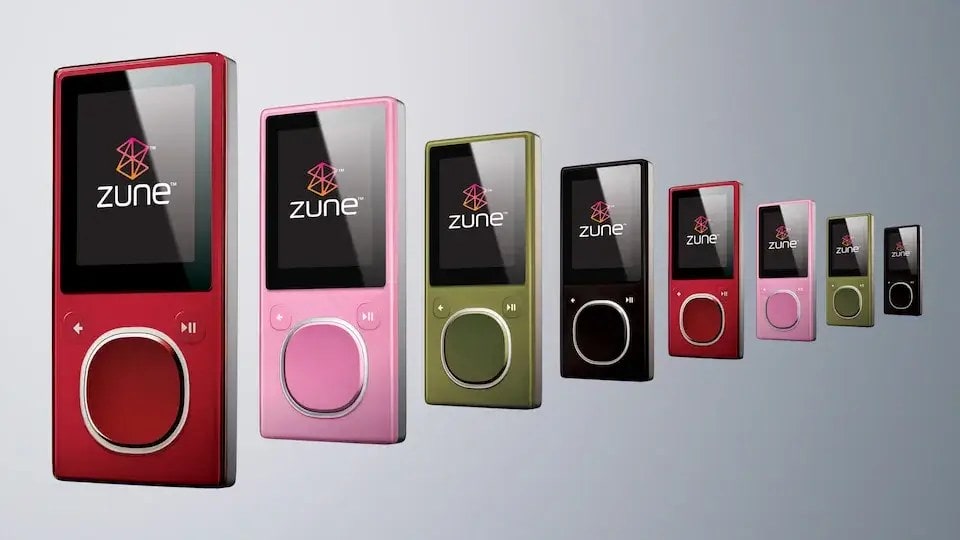 Microsoft’s attempt to rival Apple’s iPod failed due to late market entry, lack of a compelling ecosystem, and poor branding.
#2. Windows Phone (2010–2017)
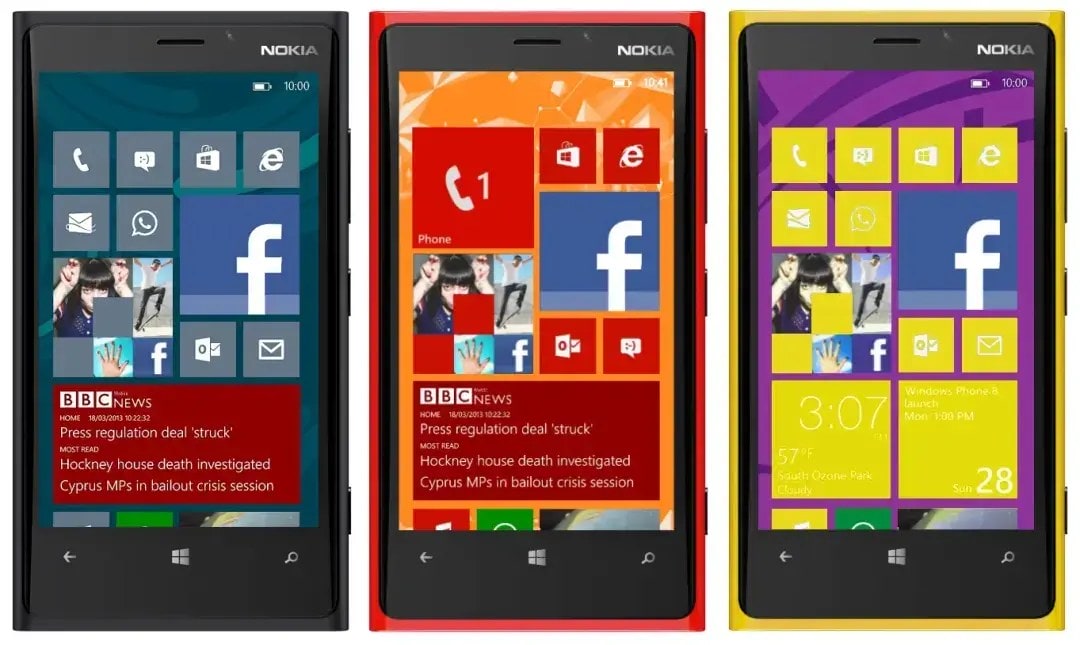 Despite innovative features, the platform failed due to limited app support, weak marketing, and stiff competition from Android and iOS.
#3. Microsoft Bob (1995–1996)

This cartoonish interface aimed to simplify Windows but was widely criticized for being unintuitive and slow.

#4. Surface RT (2012–2013)
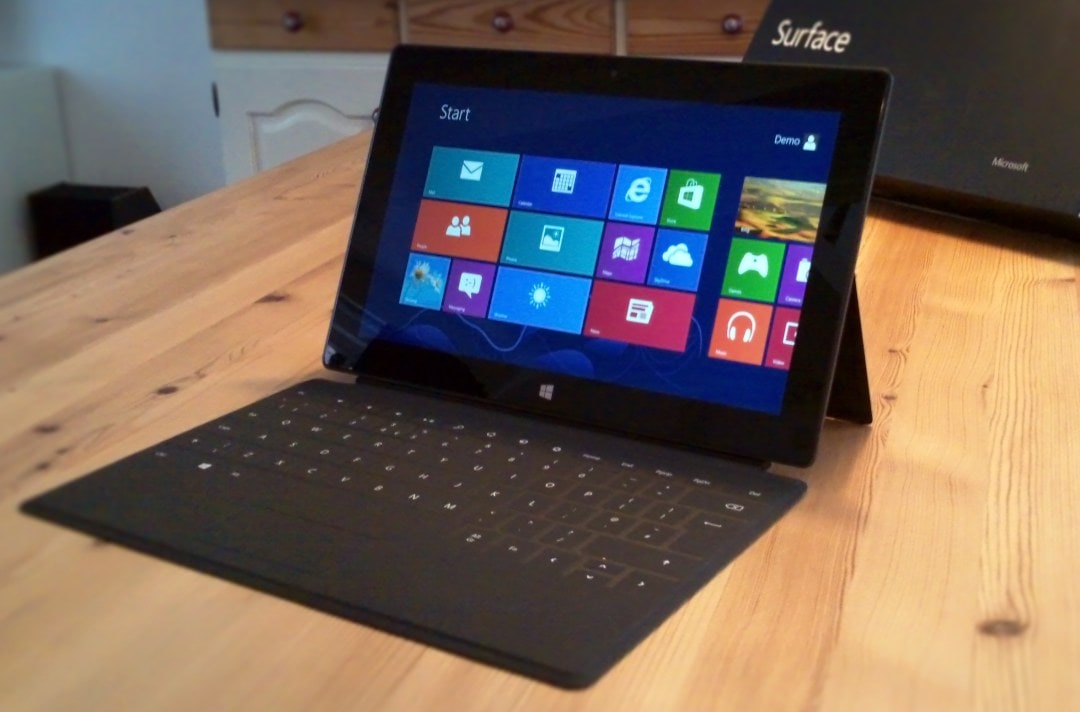 A $900 million write-down resulted from its inability to run traditional Windows apps and consumer confusion about Windows RT.
#5. Windows 8 (2012–2015)
 The radical tile-based interface alienated traditional users, leading to a quick pivot with Windows 8.1 and eventually Windows 10.
#6. Lumia Smartphones (2014–2019)
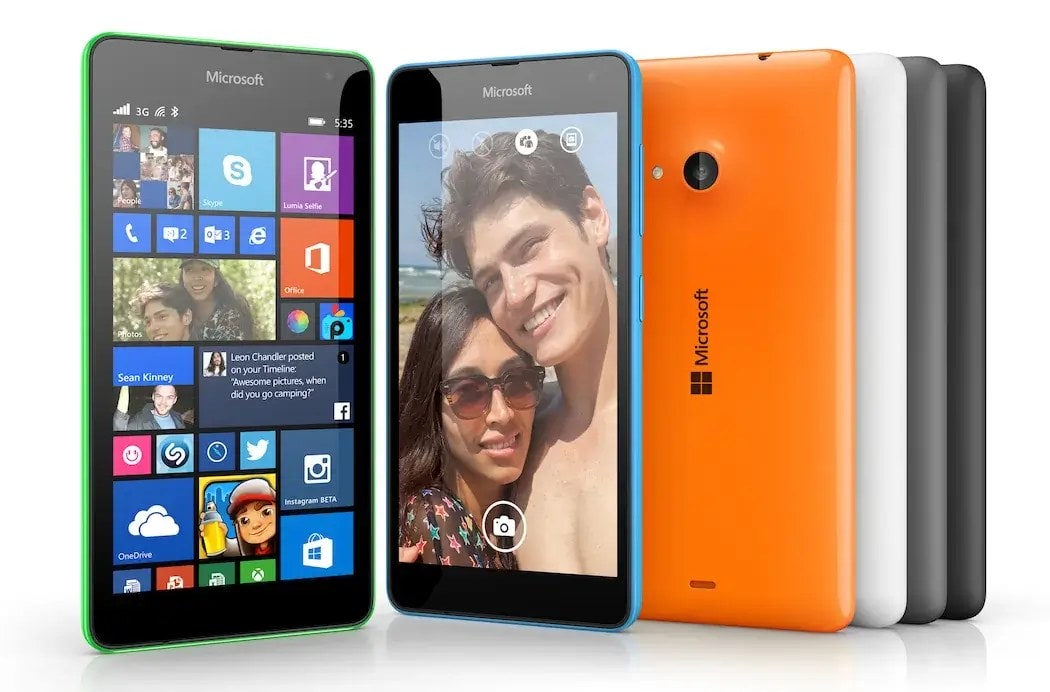 Acquiring Nokia’s mobile division for $7.2 billion did not save Microsoft’s smartphone ambitions due to limited app ecosystems and poor market traction.
#7. Kin Phones (2010)
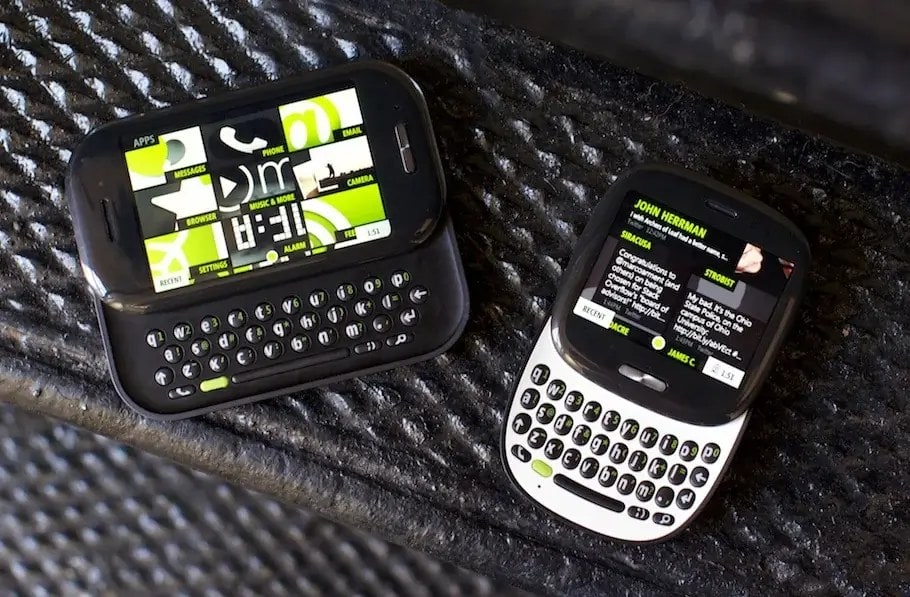
Targeted at younger users, these phones failed due to high pricing, lack of apps, and poor marketing. They were discontinued within months.
#8. Windows ME (2000–2003)
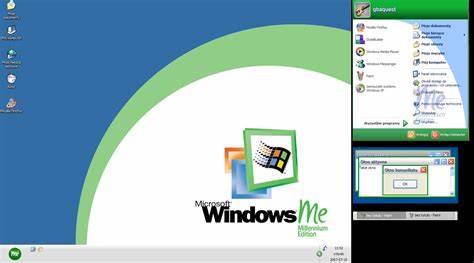
Windows ME (Millennium Edition), plagued by bugs and compatibility issues, this operating system is remembered as one of Microsoft’s worst releases.
#9. Clippy (1997–2007)

The infamous Office Assistant became a symbol of intrusive and unhelpful software design.
#10. MSN TV/WebTV (1996–2013)
 An early attempt at internet-connected TVs failed to compete with emerging smart TVs and streaming devices.
#11. Microsoft Band
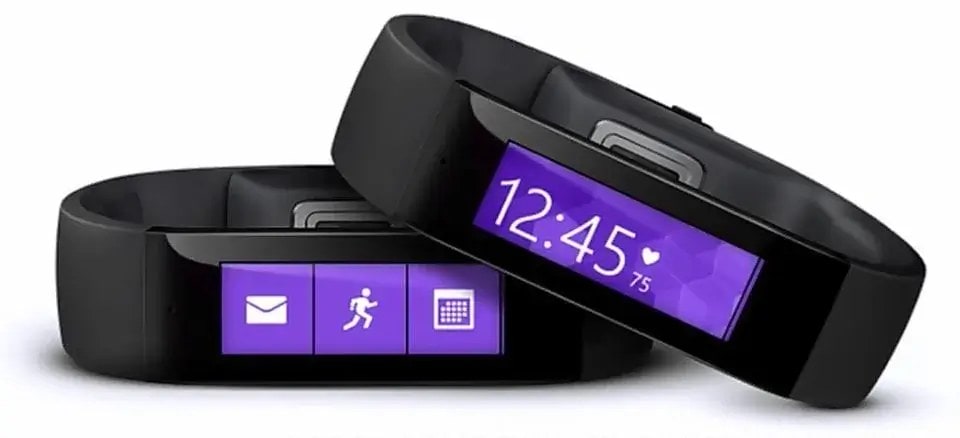
A beloved fitness tracker with innovative features, but met with durability issues that couldn’t compete with Fitbit or Apple Watch.

#12. Xbox One Launch

Mixed messaging about its purpose, being bundled with Kinect and higher pricing compared to the PlayStation 4 hurt its initial sales. It was considered another one of many Microsoft flops of all time, making the decision to bundle Kinect with the Xbox One, increasing the console’s price, was met with significant backlash from consumers, leading Microsoft to eventually offer a Kinect-less version.
#13. Microsoft Portrait

An early video conferencing tool that never gained traction.
#14. Windows RT
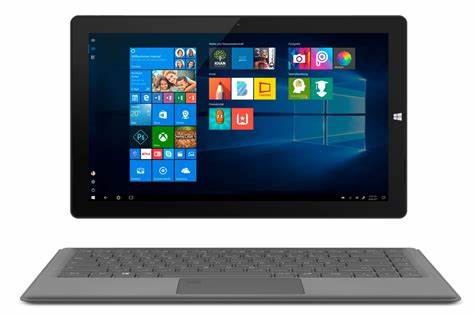
Limited app support made it redundant alongside Surface RT.
#15. MS-DOS 4.0
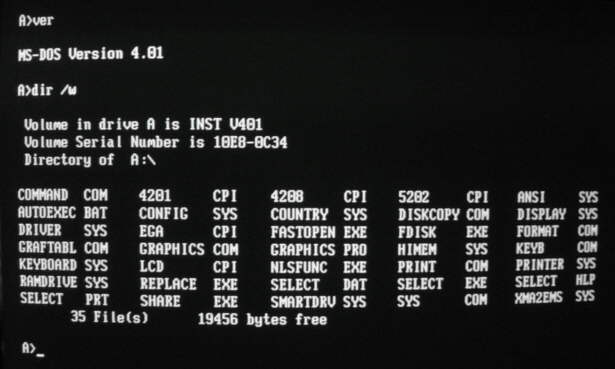
Buggy and unstable, this OS tarnished Microsoft’s reputation in the late ’80s.
#16. Cortana

Microsoft’s digital assistant failed to compete with Alexa or Google Assistant and was discontinued in 2023.
#17. Windows Vista

Criticized for performance issues and hardware compatibility problems.
#18. Zune/Xbox/Microsoft Groove Music
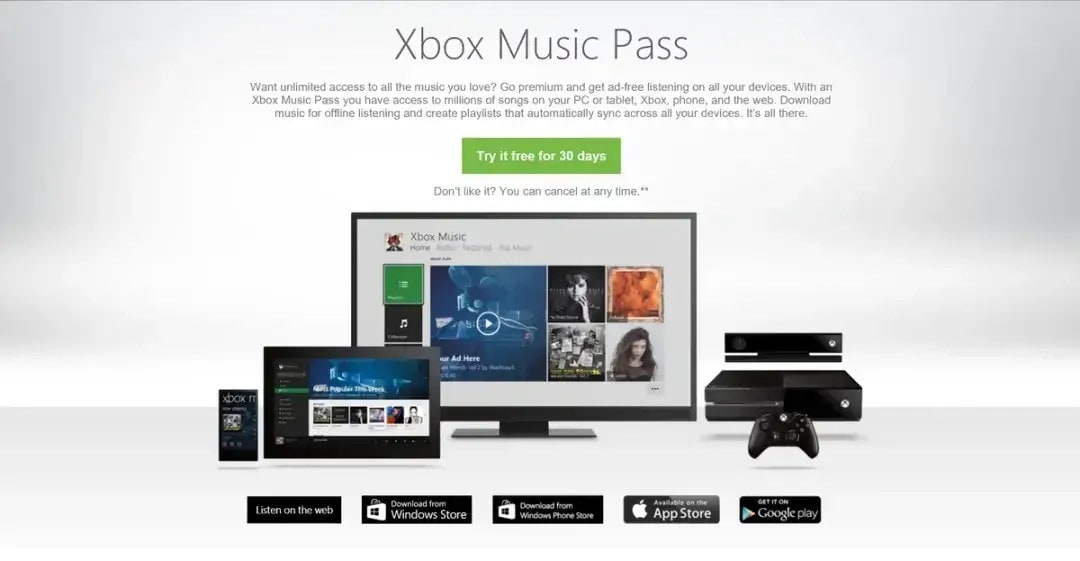 Many failed attempts at competing with Spotify.
#19. The Microsoft TerraServer

An early online mapping service collaboration between Microsoft and the United States Geological Survey (USGS) that was overshadowed by Google Maps.
#20. Microsoft Encarta
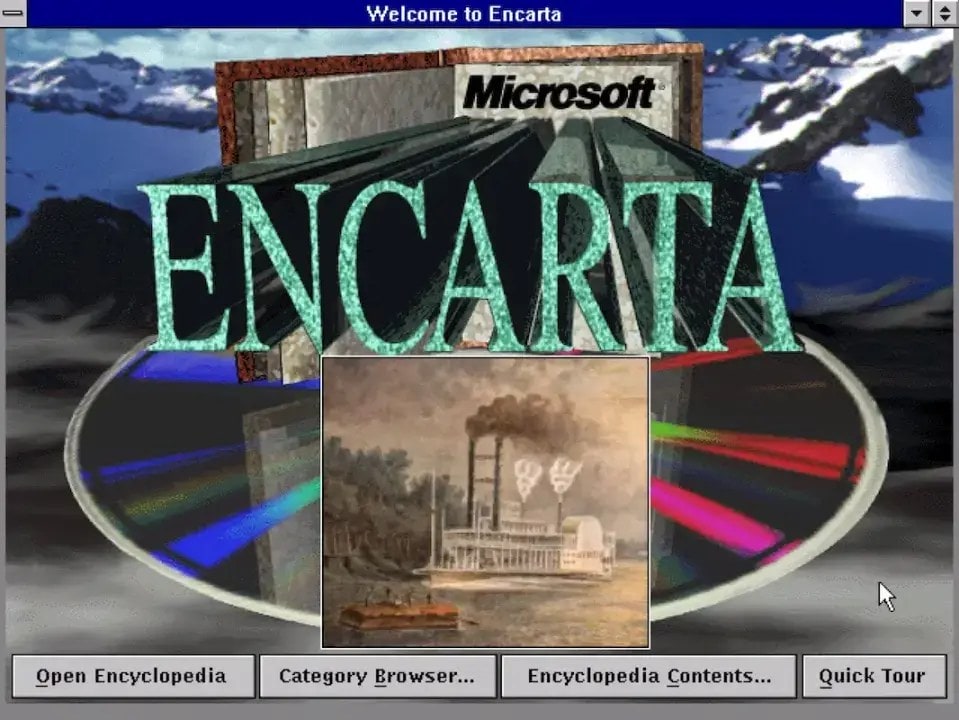 Discontinued after Wikipedia became the go-to online encyclopedia.
#21. Internet Explorer 6

Its security vulnerabilities made it infamous despite widespread use.
#22. Windows CE
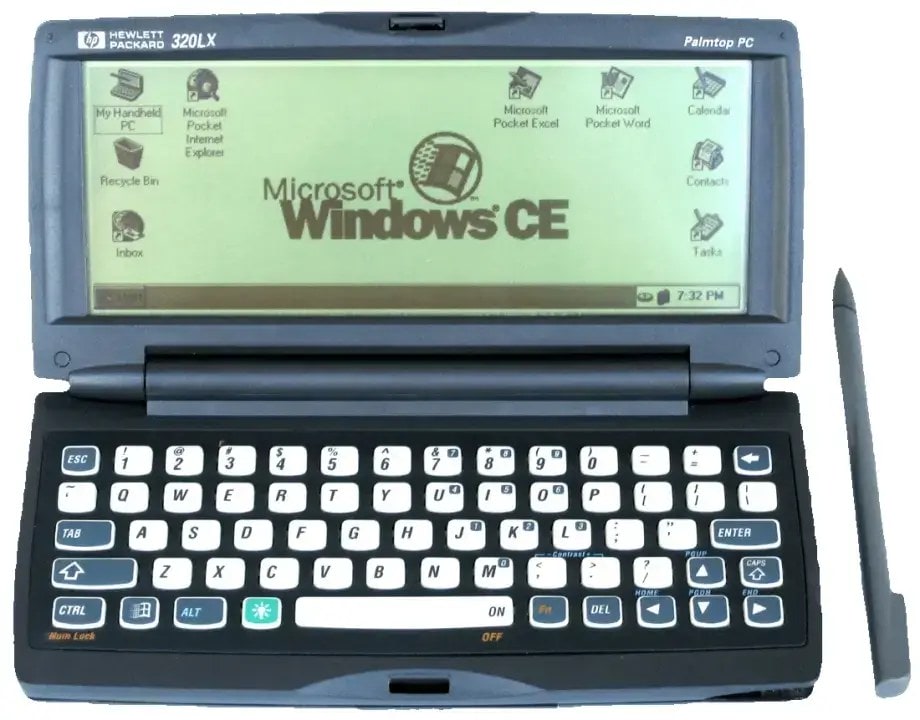
A mobile OS that struggled against Palm OS and Symbian.
#23. Microsoft Money

Failed to compete with Quicken in personal finance software.
#24. Windows Mobile
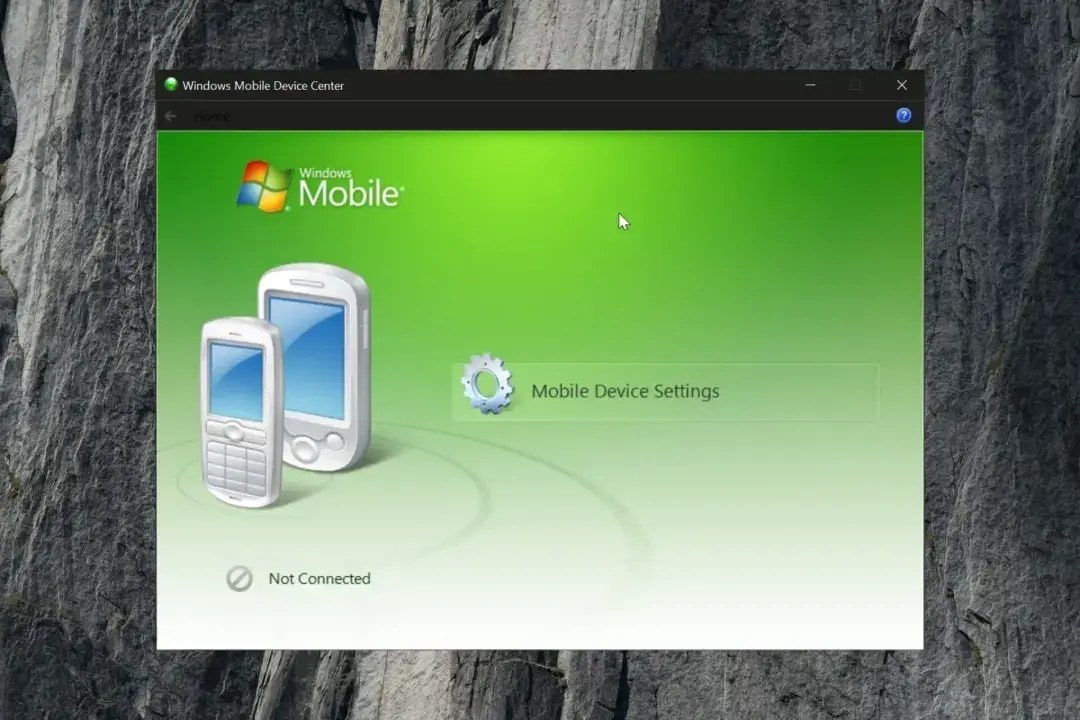 Predecessor to Windows Phone that couldn’t adapt to the smartphone era.
#25. Silverlight

A multimedia framework that lost relevance after HTML5’s rise.
#26. Microsoft Tag

A QR code alternative that never gained adoption.
#27. Microsoft Streets & Trips

Obsolete after Google Maps became dominant.
#28. Windows Live Spaces
 A blogging platform that couldn’t compete with WordPress or Blogger.
#29. Surface Duo/Surface Duo 2
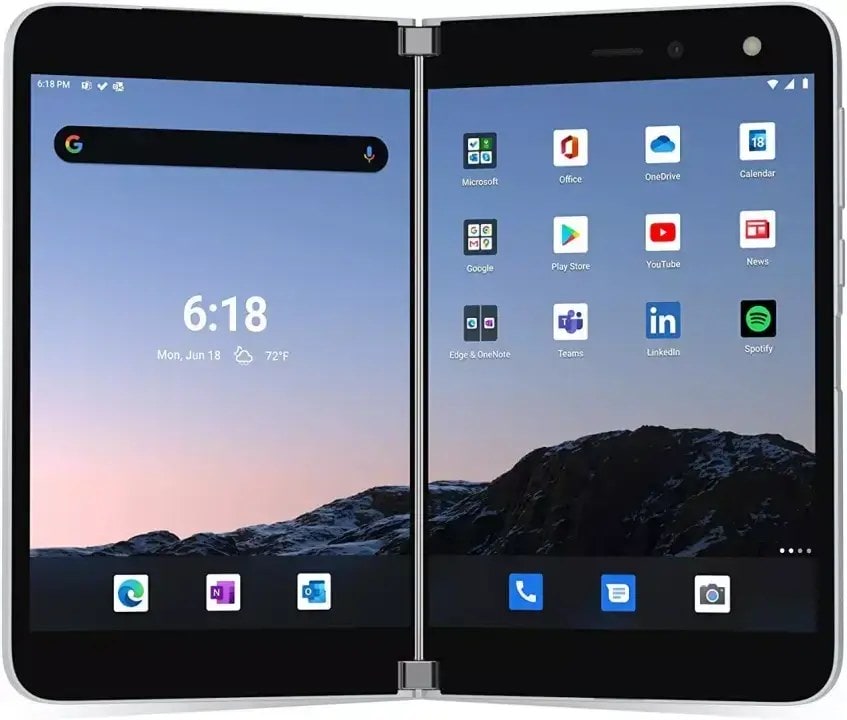
The Surface Duo and Surface Duo 2 failed due to better competition, subpar specs, poor software experience, lack of software updates and support, and Microsoft’s inability to get the operating system in a functioning spot. One of the more monumental Microsoft flops of the modern era.
#30. Hohm Energy Management Tool

Discontinued due to lack of user interest.
#31. MSN Messenger/Windows Live Games Integration
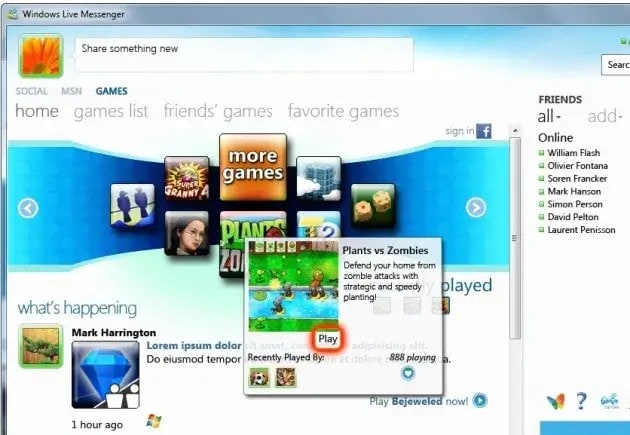
Failed to attract gamers from other platforms.
#32. Windows Embedded Automotive

Couldn’t gain traction in the automotive industry.
#33. Microsoft Courier Tablet Concept
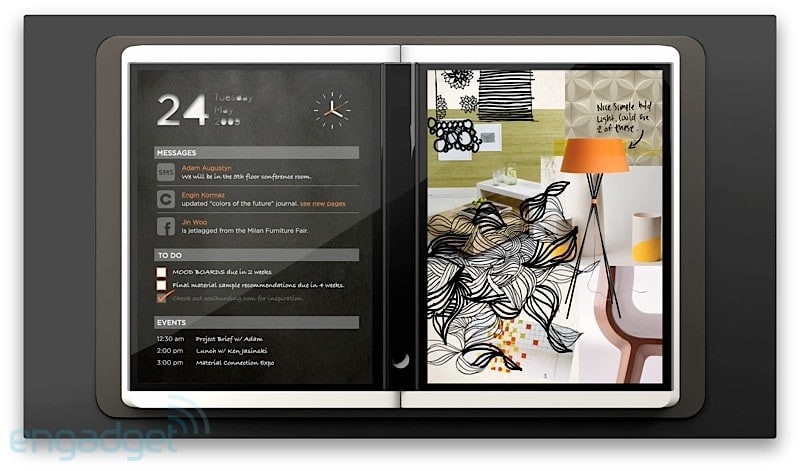
Canceled before launch due to internal conflicts.
#34. MSN Direct Smartwatches/SPOT Watches

Ahead of their time but poorly executed.
#35. Microsoft Works

A lightweight Office alternative that couldn’t compete with free options like OpenOffice.
#36. Bing Cashback Program

Discontinued due to low user engagement.
#37. Windows CardSpace
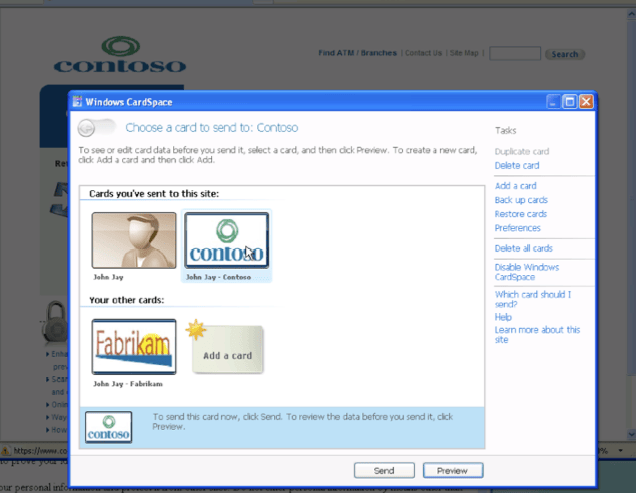
A digital identity management system that never caught on.
#38. Microsoft PixelSense (Surface Table)

Too niche for widespread adoption.
#39. MSN Music Store

Shut down after failing against iTunes.
#40. Microsoft Soapbox (YouTube Competitor)
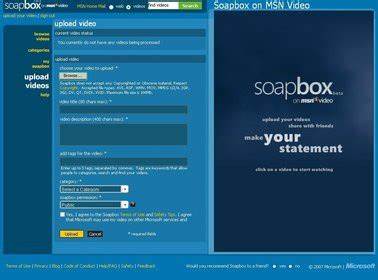
Couldn’t attract enough creators or viewers to be able to compete .
#41. Sync by Microsoft for Ford Vehicles

Buggy software led Ford to switch providers.
#42. MSN Explorer Browser Suite
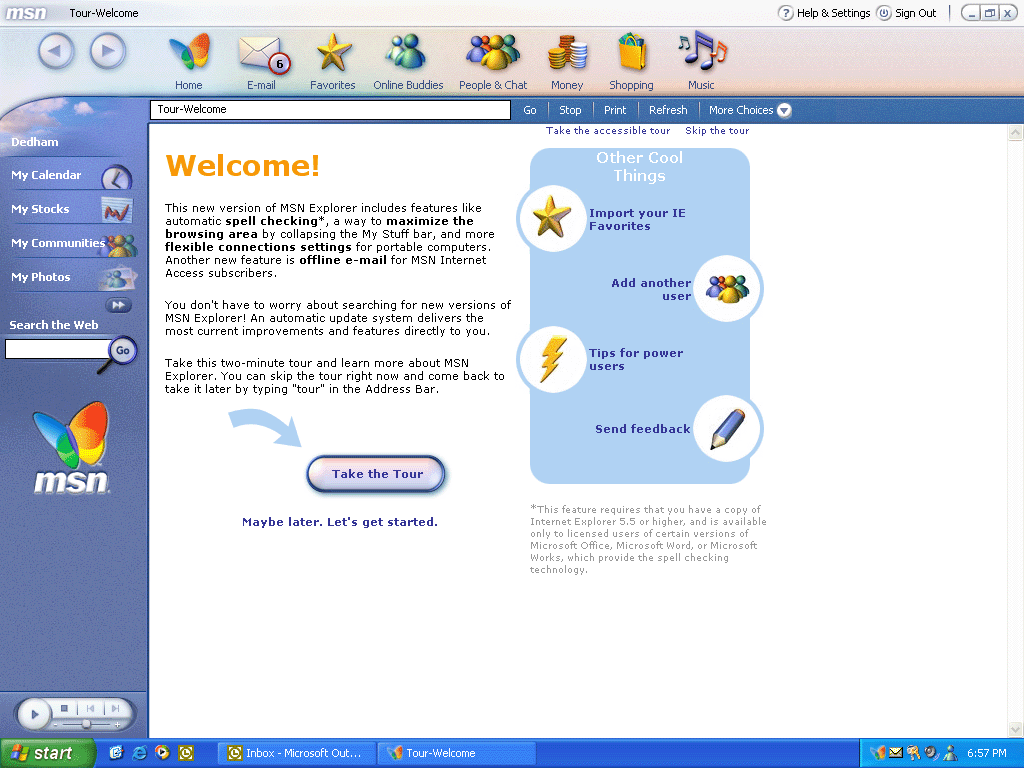
Failed as an all-in-one internet solution.
#43. Windows Phone 7 Series Branding Confusion
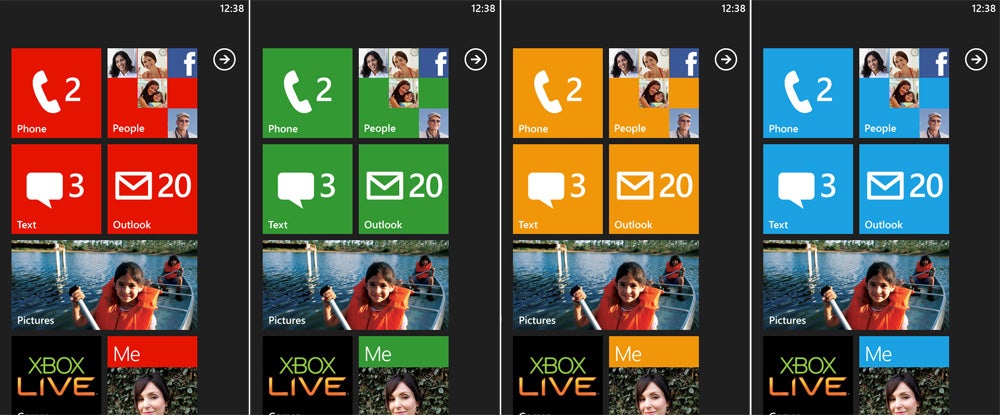
The name alone confused consumers before launch.
#44. Windows Home Server

Couldn’t find a consumer base in the era of cloud storage.
#45. Microsoft Small Business Accounting Software
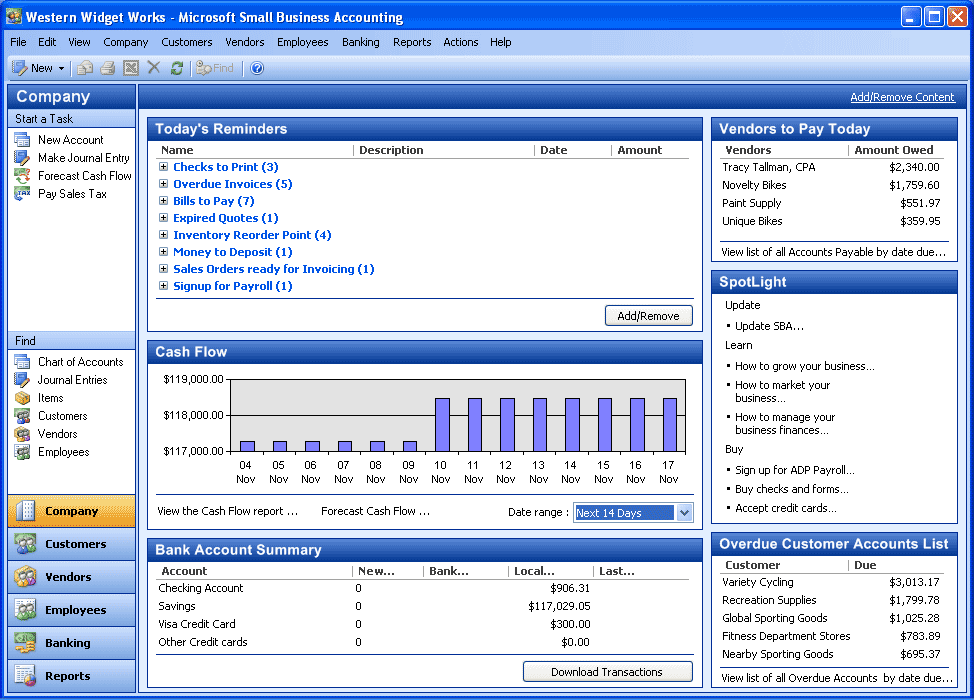
Failed against QuickBooks.
#46. Live Mesh Cloud Service

Merged into OneDrive after limited success.
#47. HoloLens/HoloLens 2

The Microsoft HoloLens failed due to several key factors. Its limited field of view and high price point made it less appealing to consumers, who were drawn to more affordable and immersive VR headsets. Despite its success in enterprise environments, such as healthcare and manufacturing, the HoloLens struggled to break into the consumer market.
#48. MSN Encarta Premium Subscription Model

Outdated business model killed it quickly.
#49. Project Astoria (Android App Bridge for Windows)

Canceled before launch due to technical challenges.
#50. Microsoft Kinect
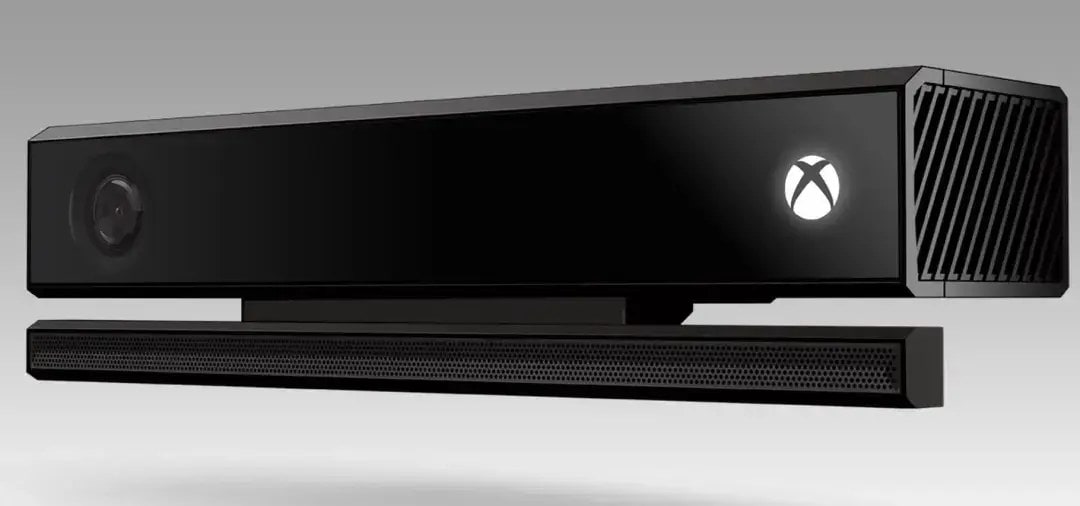
The Microsoft Kinect failed as a product due to several key factors. Initially successful with its innovative motion control technology, it struggled to maintain momentum due to a lack of compelling games beyond casual titles like sports and dance games, which limited its appeal to hardcore gamers.
Final Thoughts
Microsoft’s 50-year journey shows the company’s innovation and resilience. While its successes have shaped the tech industry, its failures are equally instructive. The biggest Microsoft flops, from hardware missteps like the Zune and Kin Phones to software disasters like Windows Vista and Windows ME, these flops highlight the challenges of staying competitive in rapidly evolving markets.
Despite these setbacks, Microsoft has consistently demonstrated an ability to learn, adapt, and refocus its efforts. Its willingness to abandon failing products and invest in emerging technologies like Azure and AI has solidified its position as a global leader. These 50 flops serve as cautionary tales but also underscore the importance of risk-taking in the pursuit of innovation. Microsoft’s ability to overcome its mistakes is what truly defines its legacy in the tech world.
What do you think are the biggest Microsoft flops in the company’s history? Let us know in the comments!
Discover more from Microsoft News Now
Subscribe to get the latest posts sent to your email.
